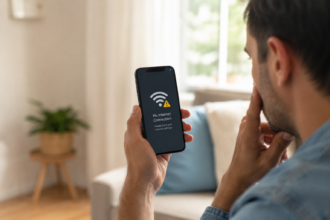
Technology was built to make life easier. But lately, a lot of people feel like it’s the other way around — like phones, apps, and algorithms are running the show instead of us. That tension is what people mean when they talk about “man vs technology.”
This isn’t a new idea. Writers and thinkers have explored it for decades. But today, it feels more personal. It shows up in how much time we spend on screens, how AI is changing jobs, and how hard it is to disconnect even when we want to.
This article breaks down what man vs technology really means, why it matters, and how you can find a healthier balance with the tech in your life.
Quick Answer
Man vs technology refers to the ongoing struggle between human control and the growing power of machines, AI, and digital tools in daily life. It covers real concerns like job automation, screen addiction, privacy loss, and reduced human connection. The goal isn’t to reject technology — it’s to use it intentionally instead of letting it use you.
What Does “Man vs Technology” Actually Mean?
At its core, man vs technology describes the conflict between human needs and the systems we’ve created to serve those needs. It sounds simple, but it plays out in many ways.
Sometimes it’s about control — like feeling addicted to your phone. Sometimes it’s about identity — like worrying that AI could replace your job. And sometimes it’s philosophical — questioning whether constant connectivity is actually making life better.
Where the Idea Comes From
The theme of man vs technology has long appeared in books, movies, and stories, often showing machines or systems that start working against the people who built them. That fictional idea now overlaps with real conversations about automation, social media, and artificial intelligence.
The difference today is that this isn’t just a story. It’s something people experience directly, every day, through their devices.
Why the Man vs Technology Debate Matters Today
This isn’t just an abstract idea anymore. It affects real parts of everyday life.
- Jobs: Automation and AI tools are changing how certain tasks get done, which raises real questions about job security in some industries.
- Mental health: Heavy screen time and constant notifications can affect focus, sleep, and mood.
- Relationships: Face-to-face conversations sometimes take a back seat to texting, scrolling, or video calls.
- Privacy: Apps and devices collect more personal data than most people realize.
Technology Isn’t the Enemy — Imbalance Is
It’s easy to blame technology itself. But most of these problems come from how technology is used, not the tools themselves. A phone isn’t bad. Endless, mindless scrolling for hours is the actual issue.
Understanding this shift in mindset — from “technology is bad” to “I need better habits around technology” — is the real starting point for solving the problem.
Step-by-Step Guide: How to Regain Control Over Technology
If you feel like technology has more control over your day than you do, here’s a simple way to start fixing that.
- Track your screen time for one week. Most phones have a built-in feature for this. Just observe — don’t judge yet.
- Identify your biggest time drains. Look for the one or two apps that take up most of your time. These are usually the ones designed to keep you scrolling.
- Set specific limits, not vague goals. Instead of “I’ll use my phone less,” try “No phone for the first 30 minutes after waking up.”
- Turn off non-essential notifications. Keep alerts only for things that truly need your immediate attention, like messages from close contacts.
- Create tech-free zones or times. This could be during meals, an hour before bed, or the first part of your morning.
- Replace the habit, don’t just remove it. If you always check your phone out of boredom, replace that moment with a short walk, a book, or a quick stretch.
- Review your progress weekly. Small, consistent changes work better than trying to overhaul everything at once.
Common Problems or Mistakes People Make
Many people try to “fix” their relationship with technology but end up frustrated. Here’s why.
- Going cold turkey too fast. Deleting every app at once usually backfires. Small, steady changes stick better.
- Blaming the tool instead of the habit. The problem is often how an app is used, not the app itself.
- Ignoring the emotional trigger. People often reach for their phones when bored, anxious, or lonely. Fixing only the behavior without addressing the trigger rarely works long-term.
- Not setting clear boundaries at work. Constant emails and messages after work hours can quietly take over personal time.
- Comparing your tech habits to others. Everyone’s relationship with technology is different, so focus on what works for your life.
Helpful Tips for a Healthier Relationship with Technology
- Use grayscale mode on your phone. It makes apps less visually tempting.
- Charge your phone outside the bedroom to improve sleep quality.
- Batch-check emails and messages instead of responding instantly to every alert.
- Choose one day a week for a longer digital break, even a few hours.
- Talk to family or coworkers about shared tech-free times, like during dinner.
- Remember that technology should support your goals, not distract from them.
Frequently Asked Questions
1. What is the meaning of man vs technology?
It refers to the struggle between human control and the growing influence of machines, apps, and AI in daily life.
2. Is technology actually bad for us?
Not inherently. The problem usually comes from overuse or poor habits, not the technology itself.
3. How does AI relate to the man vs technology conflict?
AI adds a new layer to this debate, especially around job automation and how much decision-making we hand over to machines.
4. Can too much screen time really affect mental health?
Yes, excessive screen time has been linked to issues like poor sleep, reduced focus, and increased stress in many people.
5. What’s the first step to reducing tech dependency?
Start by tracking your current screen time so you know exactly where your time is going.
6. Is it possible to balance technology and real life?
Yes. It usually comes down to setting clear boundaries and being intentional about when and how you use devices.
7. Will technology eventually control everything?
That depends largely on how individuals, companies, and societies choose to manage and regulate it going forward.
Conclusion
The man vs technology debate isn’t about choosing sides. It’s about staying aware of how much control technology has in your daily life — and making sure that control stays balanced. With small, intentional habits, you can enjoy the benefits of technology without losing yourself in it.
If you’re ready to take the next step, start with just one change this week, like turning off a few notifications or setting a screen-free hour. Small shifts add up fast.
Author: Muhammad Ahmad
M. Ahmad is an SEO and GEO Specialist and the Founder of TechXora.org. With 3+ years of experience in digital marketing, he helps websites grow through SEO, GEO, content creation, and online marketing.
He writes about technology, AI tools, WordPress, web hosting, cybersecurity, and SEO. Through TechXora.org, he shares easy-to-follow guides, useful tips, and the latest tech updates to help readers learn and grow online.
Also Read: