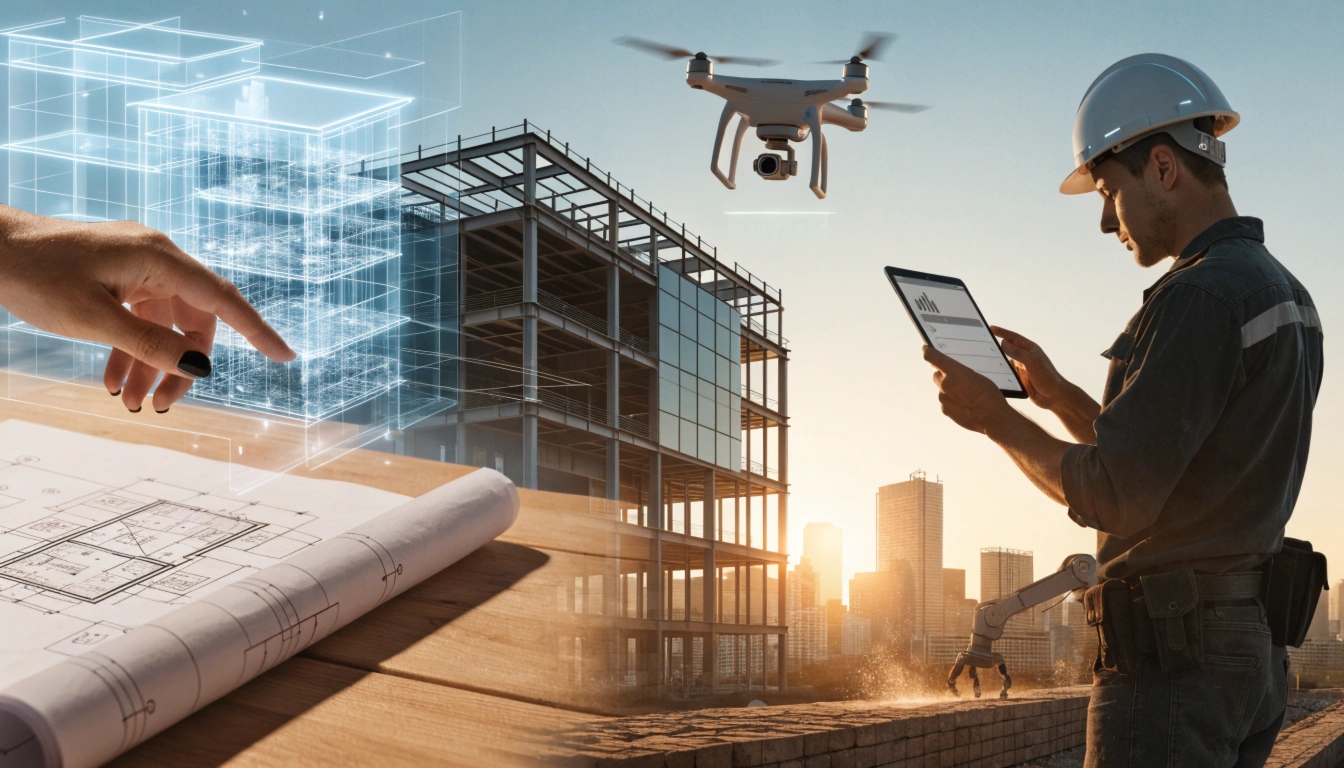
Construction technology is changing how buildings, roads, and homes get made. If you’re trying to understand what it actually means and why it matters, you’re in the right place.
Quick Answer
Construction technology refers to the tools, software, machinery, and digital systems used to plan, design, build, and manage construction projects more efficiently. It includes everything from project management apps and drones to 3D modeling software and smart building materials. The goal is simple: build faster, safer, and with fewer costly mistakes.
Now let’s break down what this looks like in practice, and how it’s reshaping the construction industry.
What Is Construction Technology, Really?
At its core, construction technology is any tool or system that helps builders work smarter instead of harder. This isn’t just about fancy gadgets. It covers a wide range of solutions used at every stage of a project.
Some examples include:
- Software that tracks project timelines and budgets
- Drones that survey land and inspect buildings
- 3D modeling tools that let teams see a project before it’s built
- Wearable devices that monitor worker safety on site
- Robots that handle repetitive or dangerous tasks
Construction has traditionally been a slow-moving industry when it comes to adopting new tools. But that’s changing fast, and for good reason.
Why Construction Technology Matters Today
The construction industry faces real challenges: labor shortages, tight budgets, tough deadlines, and safety risks. Technology helps address these problems directly.
For example, a project manager using scheduling software can spot delays weeks before they become expensive problems. A site foreman using a drone can inspect a roof in minutes instead of sending a worker up a ladder.
These aren’t small conveniences. They add up to real savings in time, money, and, most importantly, human safety.
Types of Construction Technology You Should Know
Understanding the main categories of construction technology makes it easier to see how it fits into real projects.
1. Building Information Modeling (BIM)
BIM is a digital process that creates a detailed 3D model of a building before construction even starts. Architects, engineers, and contractors can all work from the same model, which helps catch design issues early.
2. Project Management Software
These platforms help teams track budgets, schedules, tasks, and communication in one place. Instead of relying on scattered emails and paper documents, everyone works from a shared system.
3. Drones and Aerial Surveying
Drones capture site images and data quickly. They’re commonly used for land surveying, progress tracking, and inspecting hard-to-reach areas like roofs or tall structures.
4. Wearable Safety Technology
Smart helmets, vests, and sensors can monitor a worker’s location, heart rate, or exposure to hazardous conditions. This helps supervisors respond quickly if something goes wrong.
5. Construction Robotics
Robots are increasingly used for tasks like bricklaying, welding, and demolition. They don’t replace skilled workers, but they do take on repetitive or dangerous jobs, freeing up people for more complex work.
Step-by-Step Guide: How Construction Technology Is Used in a Project
Here’s a simplified look at how these tools typically come together on a real project.
Step 1: Planning and Design Architects and engineers use BIM software to create a digital model of the project. This model helps everyone visualize the final result and catch design conflicts early.
Step 2: Site Preparation Drones survey the land to gather accurate measurements and identify potential site issues before construction begins.
Step 3: Project Scheduling Project managers use software to set timelines, assign tasks, and track budgets from day one.
Step 4: Active Construction Workers use tools like tablets or mobile apps to access blueprints and updates in real time. Wearable devices help monitor safety on site.
Step 5: Quality Checks and Reporting Drones or robotic inspection tools check completed work for accuracy. Any issues are logged and addressed quickly through the project management system.
Step 6: Project Completion and Handover Digital records, including the BIM model and inspection reports, are handed over to the client for future reference and maintenance.
Common Problems or Mistakes with Construction Technology
Even with the best tools, mistakes happen. Here are common issues and how to avoid them.
Mistake 1: Adopting too many tools at once Trying to introduce several new systems at the same time can overwhelm teams. Start with one tool, get comfortable with it, then expand.
Mistake 2: Skipping proper training A great tool is useless if workers don’t know how to use it. Always budget time and resources for training before rolling out new technology.
Mistake 3: Ignoring data from the tools Some teams collect data through sensors or software but never actually review it. Make it a habit to check reports regularly so the technology actually improves decision-making.
Mistake 4: Choosing tools that don’t fit the project size A small residential builder doesn’t need the same tech stack as a large commercial contractor. Match the tool to the actual scale and needs of the project.
Helpful Tips for Getting Started with Construction Technology
- Start small. Pick one area, like scheduling or safety monitoring, and improve it first.
- Involve your team early. Workers who understand why a tool is being used are more likely to use it well.
- Review vendor support. Choose technology providers who offer solid training and customer support.
- Track results. Compare project timelines and costs before and after adopting new tools to see real impact.
- Stay flexible. Technology changes quickly, so be ready to update your approach over time.
Frequently Asked Questions
Q.1 What is construction technology in simple terms?
It’s the use of tools, software, and equipment to make building projects faster, safer, and more accurate.
Q.2 Is construction technology only for large companies?
No. Many tools, like project management apps, are affordable and useful for small contractors too.
Q.3 Does construction technology replace workers?
Generally, it supports workers rather than replacing them. It handles repetitive or risky tasks so people can focus on skilled work.
Q.4 What is BIM used for?
BIM creates a 3D digital model of a building, helping teams plan and catch design problems before construction starts.
Q.5 How do drones help in construction?
Drones survey land, inspect buildings, and track project progress quickly and safely without putting workers at risk.
Q.6 Is construction technology expensive to adopt?
Costs vary widely. Some tools are low-cost software subscriptions, while others, like robotics, require a larger investment.
Q.7 What’s the easiest type of construction technology to start with?
Project management software is often the easiest starting point since it improves organization without requiring new equipment.
Conclusion
Construction technology isn’t about replacing traditional building skills. It’s about giving teams better tools to plan, build, and manage projects with fewer delays and safer outcomes. Whether you’re a small contractor or managing large commercial projects, starting with one or two tools, like scheduling software or drone inspections, can make a real difference. As you get comfortable, you can expand into more advanced systems that fit your project’s needs.
Author:
M. Ahmad is an SEO and GEO Specialist and the Founder of Careerzon.org, a platform dedicated to career development and professional growth. He helps readers navigate job searching, resume building, career planning, and skill development through clear, practical, and easy-to-follow guidance. Combining his SEO and GEO expertise with a focus on career content, M. Ahmad ensures Careerzon.org delivers helpful, people-first advice that’s easy to find and easy to understand — whether you’re searching on Google or asking an AI assistant.
Also Read
Classified Technologies Tarkov: Full Quest Guide
Computer Science vs Information Technology Degree