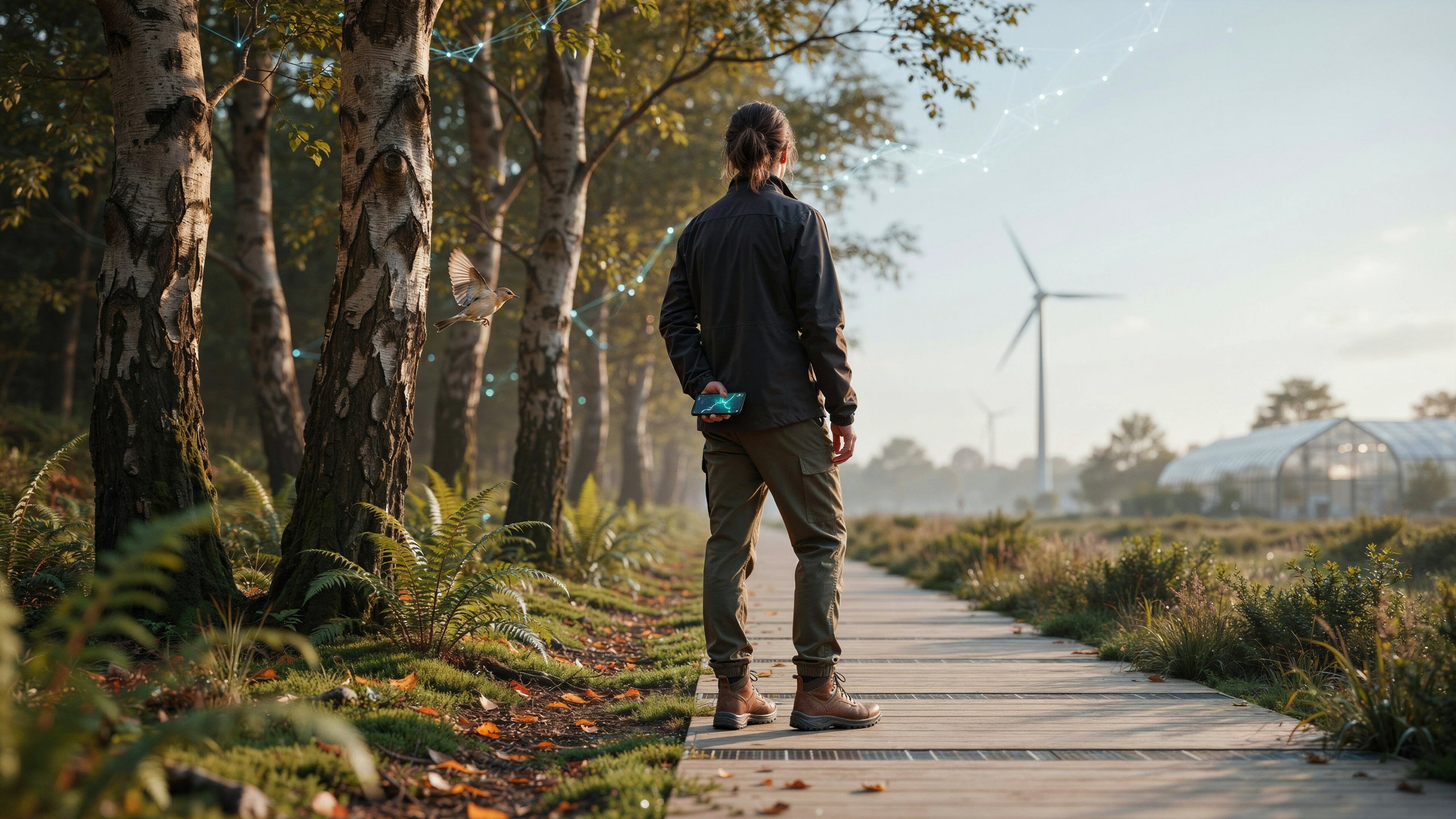
Technology and nature aren’t enemies. They’re two forces that shape how we live, work, and feel every single day — and most people don’t have to choose one over the other. The real question isn’t “which one is better,” it’s “how do I use technology without losing my connection to the natural world?”
That question matters more now than ever. Screens fill our mornings. Notifications interrupt our walks. Even a simple hike gets paused for a photo. At the same time, technology helps us track wildlife, predict storms, and grow more food with less land. The relationship is messy, but it’s not one-sided.
This guide breaks down what “technology vs nature” really means, why so many people feel torn between the two, and how you can find a balance that actually works in real life.
Quick Answer
Technology and nature aren’t opposites — they’re tools and environments that work together more often than they clash. Technology can harm natural spaces through pollution and overuse, but it also helps protect wildlife, monitor climate change, and bring nature experiences to people who can’t easily access the outdoors. The healthiest approach isn’t picking a side. It’s using technology intentionally while still making time for real, unfiltered time outside.
What “Technology vs Nature” Actually Means
When people search for “technology vs nature,” they’re usually asking one of a few things:
- Is technology damaging the environment?
- Am I spending too much time on screens instead of outside?
- Can technology actually help nature, not just hurt it?
All three questions are valid, and none of them have a simple yes-or-no answer.
The Two Sides of the Debate
On one side, technology has made life easier, safer, and more connected. Phones let us call for help in an emergency. Apps identify plants and birds in seconds. Renewable energy tools are helping cut down on pollution.
On the other side, technology has pulled people away from the outdoors. Many people now spend more time looking at screens than spending real time outside, and that shift has changed how kids and adults experience the natural world.
Neither side is wrong. That’s the whole point — this isn’t a battle with a clear winner.
How Technology Affects Our Relationship With Nature
Technology changes how we experience nature in three main ways: it can replace it, it can enhance it, or it can protect it.
When Technology Replaces Nature
This is the part that worries a lot of people. Instead of walking through a real forest, someone might watch a nature documentary. Instead of stargazing, they might scroll through space photos on their phone.
This kind of “replacement” isn’t automatically bad, but it becomes a problem when it’s the only way someone experiences nature. Over time, people can lose a sense of what real, hands-on time outdoors actually feels like.
When Technology Enhances Nature
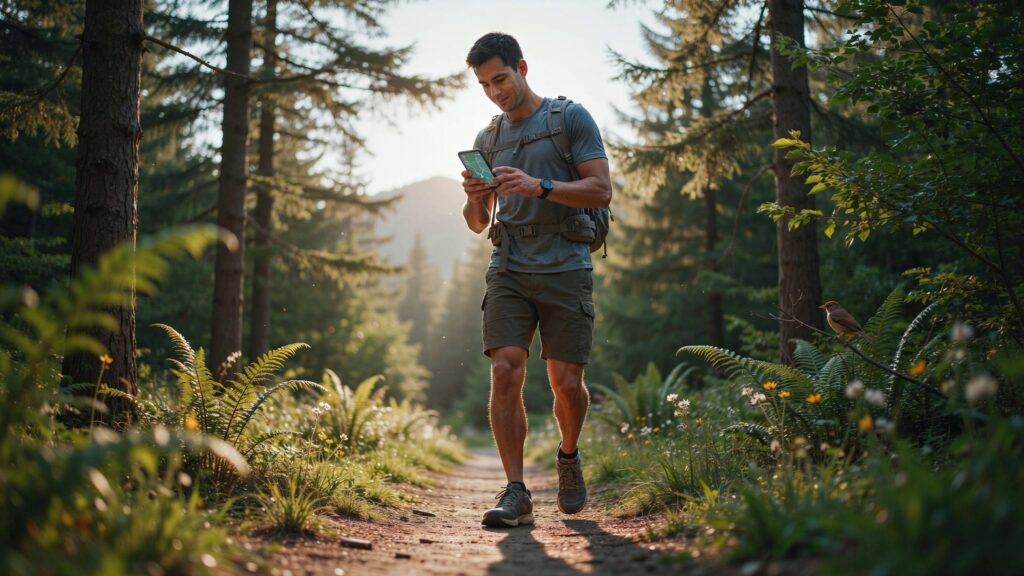
Used the right way, technology can actually deepen a person’s connection to the outdoors. Weather apps help hikers plan safer trips. Star-tracking apps turn a night sky into a lesson. Fitness trackers encourage people to take that walk in the park instead of skipping it.
When Technology Protects Nature
This side gets overlooked the most. Conservationists use tracking devices to protect endangered animals. Farmers use smart irrigation to use less water. Scientists use satellites to monitor deforestation and climate patterns in real time. None of that would be possible without technology.
Step-by-Step Guide: Finding Balance Between Technology and Nature
You don’t need to give up your phone or move to the woods to fix this. A few small, consistent habits make a real difference.
- Set tech-free windows. Pick one time each day — even 20 minutes — where you’re outside without a screen in hand.
- Use technology to plan, not replace, outdoor time. Check the weather app, then actually go outside instead of scrolling.
- Choose one “no-phone” outdoor activity per week. A walk, a bike ride, or just sitting outside without checking notifications.
- Track your screen time honestly. Most phones already show this. Seeing the real number often changes behavior on its own.
- Support tech that helps the environment. Simple choices, like using apps that identify recycling rules or track energy use, quietly reduce your footprint.
- Teach kids the difference between watching nature and experiencing it. A nature video is not the same as touching soil or hearing real birdsong.
Common Problems or Mistakes People Make
Most people don’t get this balance wrong on purpose. It usually happens gradually. Here are the most common mistakes:
- Assuming all technology is bad for nature. Many tools, like solar panels and wildlife trackers, actively help the environment.
- Using nature apps as a full substitute for outdoor time. Identifying a plant on your phone is helpful, but it shouldn’t replace actually walking outside.
- Bringing screens into every outdoor moment. Filming an entire hike instead of experiencing it is one of the most common habits people regret later.
- Ignoring the mental health cost of too much screen time. Reduced time outdoors has been linked to lower mood and higher stress in many studies, though results can vary by person.
- Waiting for “more time” to unplug. Balance rarely happens by accident. It takes a small, repeated choice, not a big life change.
Helpful Tips
- Start small. One outdoor walk without your phone is more effective than a big, unrealistic “digital detox” plan.
- Use technology as a bridge, not a wall. Let apps guide you outside instead of keeping you inside.
- Notice how you feel after time in nature versus time on a screen. That difference is usually the best motivation to keep going.
- If you work a desk job, use short outdoor breaks to reset — even five minutes outside can help focus and mood.
- Involve kids early. Kids who spend regular time outdoors tend to build a stronger, lasting connection to nature as they grow older.
Frequently Asked Questions
1.Is technology bad for the environment?
Not by itself. Certain technologies, like factories or heavy manufacturing, can harm the environment, while others, like renewable energy and conservation tools, actively help protect it. It depends on how the technology is used.
2.Can you enjoy nature and still use technology?
Yes. Many people use apps to plan hikes, identify wildlife, or track weather, then put their phone away once they’re outside. Technology can support outdoor time instead of replacing it.
3.Why do people feel disconnected from nature because of technology?
Increased screen time often replaces time that used to be spent outdoors. Over time, this can reduce how often people notice or engage with the natural world around them.
4.Does technology help protect endangered animals?
Yes. Tools like GPS tracking collars, drones, and satellite monitoring are commonly used by conservationists to study and protect wildlife populations.
5.How much time should I spend outside each day?
There’s no single official number that fits everyone, but even short, regular outdoor breaks are generally considered helpful for mood and focus.
6.Is virtual nature, like VR forests, a real substitute for the outdoors?
It can help people who can’t easily access the outdoors, but most experts agree it works best as a supplement, not a full replacement for real nature.
7.What’s the difference between technology vs nature and nature vs nurture?
They’re different topics. Nature vs nurture is about genetics versus environment shaping a person. Technology vs nature is about the relationship between human-made tools and the natural world.
Final Thoughts
Technology vs nature isn’t really a competition — it’s a relationship that works best when it’s balanced. Technology can pull people away from the outdoors, but it can also protect wildlife, support healthier habits, and help people experience nature in new ways.
The goal isn’t to reject technology or avoid the outdoors. It’s to use one to support the other. A short walk without your phone, a weather app that gets you outside instead of keeping you in, or a small daily habit can go a long way toward keeping both parts of your life in balance.
Author:
MUHAMMAD AHMAD
SEO Specialist
Founder and Owner of Techxora.org
Also Read: