Introduction
At-home care is changing fast. In the past, home healthcare mostly meant a nurse visit, basic checkups, or help with daily needs. Today, technology is making home care smarter, safer, and more connected.
People with chronic illness, older adults, surgery patients, and those with disabilities can now receive better support without always going to a hospital. Future healthcare technology is bringing doctors, data, devices, and caregivers together inside the home.
This shift is not only about comfort. It is also about faster care, early problem detection, lower costs, and more independence for patients.
How Technology Is Changing At-Home Healthcare
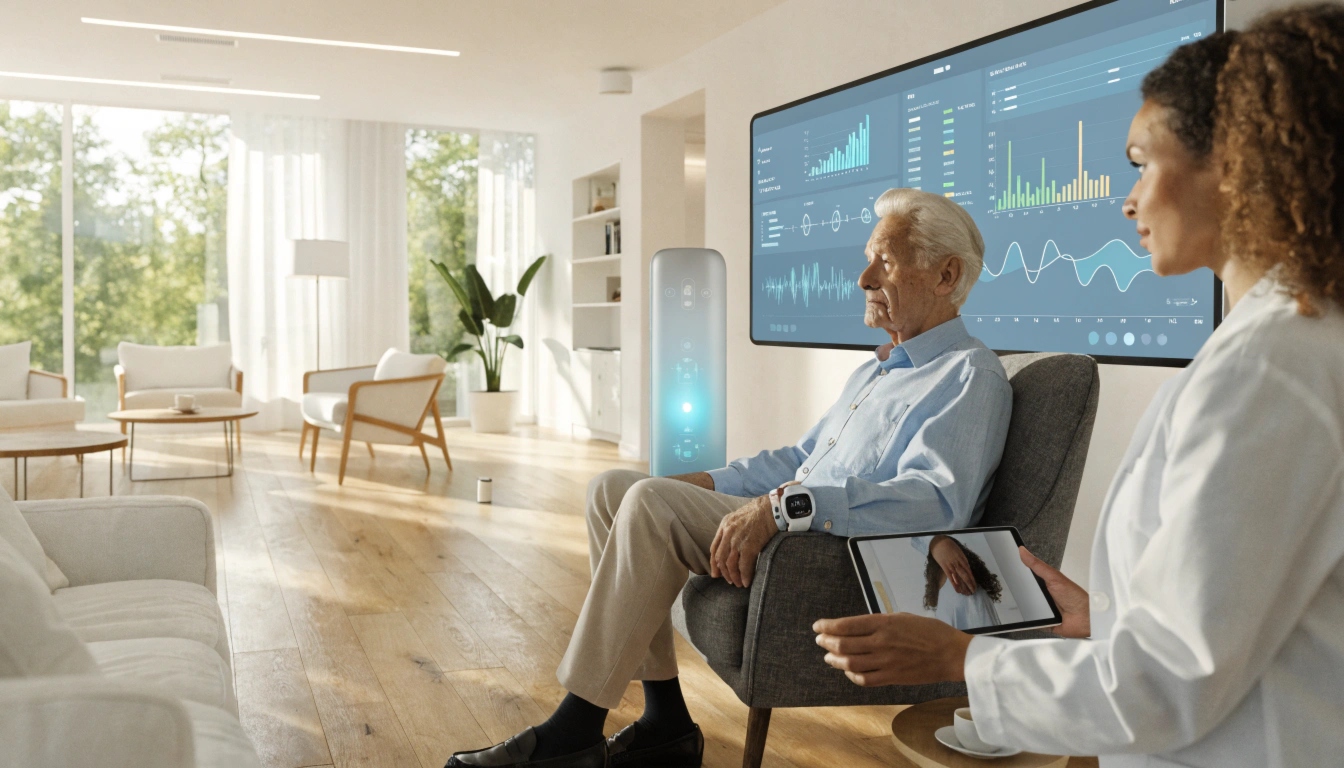
Future healthcare technology is turning the home into a mini care center. With digital tools, patients can connect with doctors, track their health, and receive alerts before a small issue becomes serious.
Instead of waiting for symptoms to get worse, smart devices can collect health data every day. This helps doctors make better decisions. It also helps patients understand their own health in a simple way.
At-home care is becoming more personal. Every patient has different needs, and technology allows care plans to be adjusted based on real-time information.
Key Technologies Elevating At-Home Care
Telehealth and Virtual Doctor Visits
Telehealth allows patients to speak with doctors through video calls, phone calls, or online platforms. This is useful for follow-ups, medicine reviews, mental health support, and general health questions.
It saves travel time and makes care easier for people living far from clinics. For older adults or patients with mobility issues, telehealth can be a major benefit.
Remote Patient Monitoring
Remote patient monitoring uses devices to track blood pressure, heart rate, blood sugar, oxygen levels, and other health signs. These readings can be shared with healthcare providers.
This is especially helpful for people with diabetes, heart disease, high blood pressure, or breathing problems. Doctors can notice warning signs early and respond quickly.
Wearable Health Devices
Smartwatches, fitness bands, ECG monitors, and health patches are becoming common in home care. They can track sleep, activity, heart rate, oxygen levels, and even falls.
For elderly patients, fall detection can be life-saving. If a patient falls, some devices can send alerts to family members or emergency contacts.
Artificial Intelligence in Home Care
Artificial intelligence helps study large amounts of health data. It can find patterns that may be missed by humans.
For example, AI may notice changes in sleep, heart rate, or blood pressure and warn caregivers about possible risks. In the future, AI may help create personalized care plans for each patient.
Smart Homes Are Becoming Health-Friendly Homes
Smart home technology is also improving at-home care. Voice assistants can remind patients to take medicine, turn lights on, adjust room temperature, or call for help.
Motion sensors can detect unusual activity, such as a patient not moving for a long time. Smart lights can reduce the risk of falling at night. Smart locks and security systems can also protect vulnerable patients.
These tools help patients live more independently while giving families peace of mind.
Virtual Reality and Rehabilitation at Home
Virtual reality is making physical therapy more interesting and effective. Patients recovering from surgery, stroke, or injury can use VR programs for guided exercises.
VR can make rehab feel like a game, which may help patients stay motivated. It can also support balance training, movement practice, and even pain management.
This means some therapy sessions can happen at home instead of always visiting a clinic.
Care Coordination Apps for Families and Doctors
Good home care requires teamwork. Doctors, nurses, caregivers, patients, and family members all need clear communication.
Care coordination apps help everyone stay updated. These apps can track appointments, medicines, symptoms, daily tasks, and progress notes.
This reduces confusion and improves care quality. It also helps family members stay involved, even if they live far away.
Robotic Assistants and the Future of Home Support
Robotic assistants are still developing, but they may become important in future home healthcare. Robots may help patients move around, carry small items, remind them about medicine, or provide companionship.
For patients who live alone, robots could offer extra safety and emotional support. In the future, they may also connect with doctors or emergency services during urgent situations.
Benefits of Future Healthcare Technology in At-Home Care
Future healthcare technology offers many benefits for patients and caregivers.
It improves access to care, especially for people in remote areas. It supports early detection of health problems. It reduces unnecessary hospital visits. It also helps patients feel more independent and comfortable.
For healthcare systems, at-home technology can lower costs and reduce pressure on hospitals. For families, it provides better updates and peace of mind.
Most importantly, it makes care more patient-centered.
Challenges That Still Need Attention
Even though technology is powerful, it is not perfect. Some patients may find digital tools hard to use. Internet access can also be a problem in some areas.
Privacy and data security are important concerns. Health information must be protected carefully. Also, technology should support human care, not replace doctors, nurses, or family support.
The best future will combine smart tools with real human compassion.
Frequently Asked Questions (FAQ)
Q1:What is at-home healthcare technology?
At-home healthcare technology includes digital tools, smart devices, apps, and systems that help patients receive care from home. Examples include telehealth, wearables, remote monitoring devices, and smart home tools.
Q2:How does remote monitoring help patients?
Remote monitoring tracks health signs like blood pressure, oxygen levels, heart rate, and glucose levels. This helps doctors detect problems early and adjust treatment when needed.
Q3:Can AI improve home healthcare?
Yes. AI can study patient data, find health patterns, send alerts, and support personalized care plans. It helps doctors and caregivers make faster and smarter decisions.
Q4:Is technology-based home care safe for older adults?
It can be safe when used correctly. Devices like fall detectors, medication reminders, voice assistants, and emergency alerts can improve safety for older adults at home.
Q5:Will technology replace caregivers?
No. Technology can support caregivers, but it cannot replace human care, kindness, and emotional support. The best care uses both technology and human attention.
Conclusion
Future healthcare technology is elevating at-home care by making it smarter, faster, safer, and more personal. Tools like telehealth, AI, wearable devices, remote monitoring, smart homes, VR therapy, and care apps are changing how people receive medical support.
At-home care is no longer just a simple option for comfort. It is becoming a powerful healthcare model that helps patients heal, manage illness, and live with more independence.
As technology continues to grow, the home may become one of the most important places for modern healthcare.
Author:
Muhammad Ahmad is an SEO Specialist and the Founder of TechXora.org. He writes helpful, easy-to-understand content about technology, digital trends, and online growth.