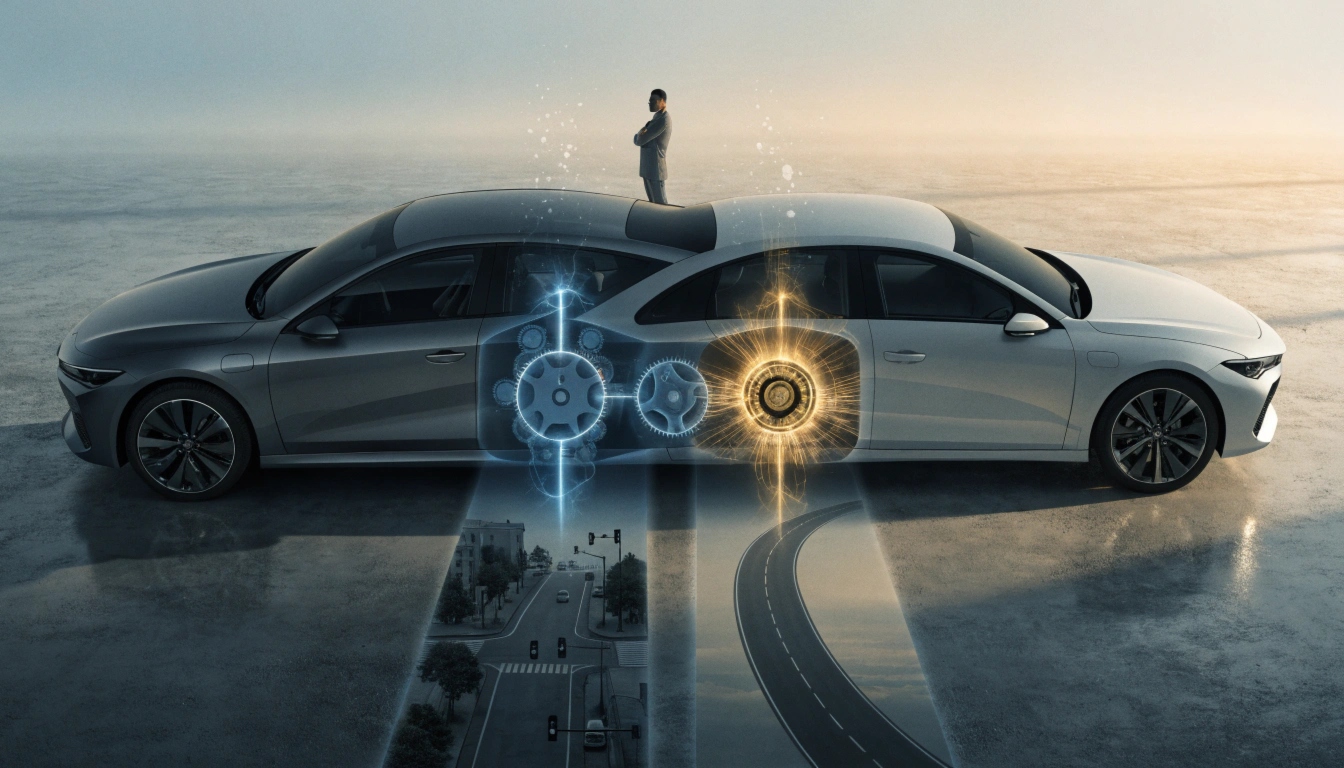
If you’re comparing Honda hybrid vs Toyota hybrid technology, the short answer is this: both brands build reliable, fuel-efficient hybrid systems, but they work in slightly different ways. Toyota’s hybrid system tends to shine in stop-and-go city driving, while Honda’s system often feels smoother and more responsive at highway speeds. Neither one is “bad” — the right choice depends on how and where you drive most.
Choosing between two well-known hybrid brands can feel confusing, especially when both companies use technical terms that aren’t explained clearly anywhere. This article breaks it down in plain language, so you can make a confident decision without needing an engineering degree.
Quick Answer
Honda and Toyota both use hybrid systems that combine a gas engine with electric motors to save fuel. Toyota’s system uses a power-split device that blends gas and electric power smoothly, which works especially well in city traffic. Honda’s system uses two electric motors and often runs on electric power alone more often, which can feel quicker and smoother on highways. Fuel economy and reliability are close between the two, so the better pick usually comes down to your driving habits and budget.
How Toyota Hybrid Technology Works
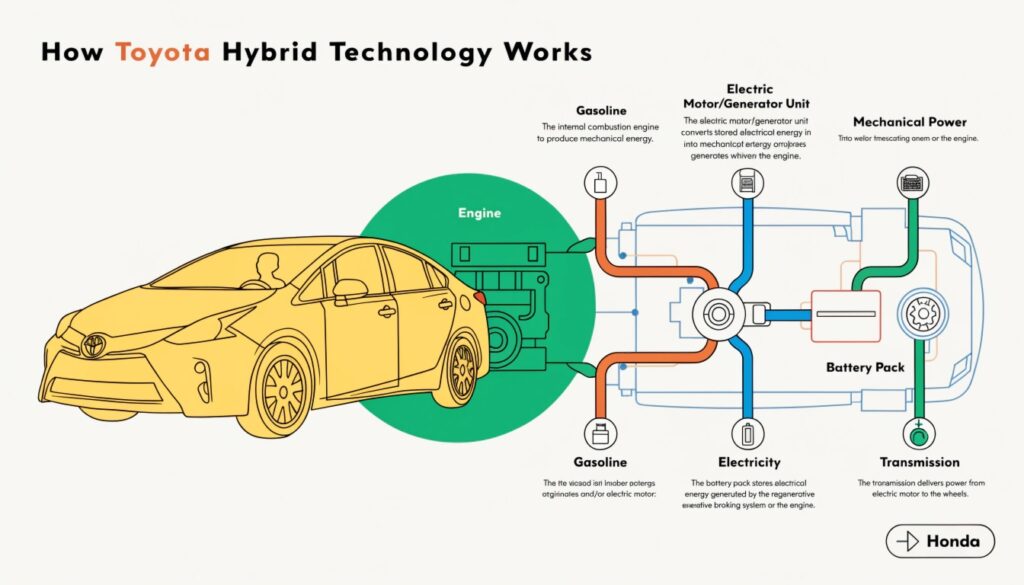
Toyota has been building hybrids since the late 1990s, and its system is based on something called a power-split device. This is a type of transmission that lets the gas engine and electric motor share the workload at the same time.
In simple terms, the car’s computer constantly decides how much power should come from the engine and how much should come from the battery. This happens smoothly and automatically, without the driver noticing any shifting.
Why Toyota’s System Works Well in the City
Because the power-split system blends gas and electric power so smoothly, it’s especially efficient during slow, stop-and-go driving. This is why Toyota hybrids often get excellent fuel economy numbers in city conditions, where traditional gas engines usually struggle the most.
How Honda Hybrid Technology Works
Honda takes a different approach with what it calls a two-motor hybrid system. Instead of blending gas and electric power constantly, Honda’s system often lets the electric motor drive the wheels directly, with the gas engine mainly working to generate electricity or assist at higher speeds.
This design means the car can spend more time running purely on electric power, especially at lower and moderate speeds. At highway speeds, the gas engine can connect more directly to the wheels for better efficiency during steady cruising.
Why Honda’s System Feels Different to Drive
Many drivers describe Honda hybrids as feeling more like a smooth electric car in daily driving, since the electric motor does more of the direct work. This can make acceleration feel quicker and quieter compared to some other hybrid systems.
Step-by-Step Guide: How to Compare Honda vs Toyota Hybrids Before Buying
- Identify your daily driving pattern. Do you mostly drive in the city, on highways, or a mix of both?
- Check the EPA fuel economy ratings for the specific hybrid models you’re considering, since numbers vary by model and year.
- Test drive both types if possible. Notice how the transition between gas and electric power feels.
- Ask about warranty coverage for the hybrid battery and electric components at each dealership.
- Compare maintenance costs using resources like owner forums or trusted repair estimates.
- Consider resale value trends for the specific models you’re comparing, since this can affect long-term cost.
- Make your decision based on comfort and cost, not just brand reputation.
Common Problems or Mistakes People Make
Assuming one brand’s hybrid system is always more efficient. Fuel economy depends heavily on the specific model, trim, and driving conditions, not just the brand.
Ignoring how they actually drive their car. Someone who mostly drives on highways may not get the same benefits from a hybrid system designed to shine in city traffic, and vice versa.
Overlooking battery warranty details. Hybrid batteries are a major investment, so skipping this research can lead to unexpected costs later.
Comparing older hybrid models to newer ones. Hybrid technology has changed over the years, so comparing an older Honda hybrid to a brand-new Toyota hybrid (or the other way around) isn’t a fair comparison.
Not test driving before deciding. Reading specs online is helpful, but the way a hybrid system feels in real driving conditions can be very different from what the numbers suggest.
Helpful Tips for Choosing Between Honda and Toyota Hybrid Technology
- Think about your commute first. City drivers often benefit more from Toyota’s blended power system, while mixed or highway drivers may prefer Honda’s electric-first approach.
- Ask for a hybrid-specific maintenance history if you’re buying used, not just a general vehicle history report.
- Look into the specific model’s hybrid battery warranty length, since this can vary and gives insight into how confident the manufacturer is in long-term durability.
- Don’t rely only on brand loyalty. Compare the actual model you’re considering, not just the badge on the hood.
- Keep future resale value in mind, especially if you plan to upgrade vehicles again within a few years.
Frequently Asked Questions
Q.1 Is Honda hybrid technology better than Toyota’s?
Neither is universally “better.” Honda’s system often performs well in mixed and highway driving, while Toyota’s system tends to shine in city traffic. The best choice depends on your driving habits.
Q.2 Which hybrid system gets better gas mileage?
This varies by specific model and year, so it’s best to compare official EPA fuel economy ratings for the exact vehicles you’re considering rather than the brand as a whole.
Q.3 Do Honda hybrids need less maintenance than Toyota hybrids?
Both brands are known for solid reliability. Maintenance needs depend more on the specific model and how the car is driven than on the brand itself.
Q.4 How long do hybrid batteries last in Honda and Toyota vehicles?
Hybrid battery lifespan depends on the model, usage, and climate. Checking the manufacturer’s specific battery warranty for the model you’re considering gives the clearest picture.
Q.5 Which hybrid feels smoother to drive, Honda or Toyota?
Many drivers find Honda’s system feels smoother and more electric-like in daily driving, while Toyota’s system feels seamless during slow-speed, stop-and-go conditions.
Q.6 Is one hybrid system more expensive to repair?
Repair costs depend on the specific model, local labor rates, and part availability rather than a fixed brand advantage. It’s best to research costs for the exact model you’re considering.
Q.7 Can I test drive both hybrid types before deciding?
Yes, and it’s strongly recommended. Test driving both systems back-to-back is one of the best ways to feel the real difference between them.
Final Thoughts
When comparing Honda hybrid vs Toyota hybrid technology, there’s no single “winner” that fits every driver. Toyota’s blended hybrid system is a strong choice for city driving, while Honda’s electric-first approach often appeals to drivers who want a smoother, quieter ride across different speeds.
The smartest next step is to match the technology to your actual driving habits, test drive both options, and compare the specific models you’re interested in rather than relying on brand reputation alone.
Author:
M. Ahmad is an SEO and GEO Specialist and the Founder of Careerzon.org, a platform dedicated to career development and professional growth. He helps readers navigate job searching, resume building, career planning, and skill development through clear, practical, and easy-to-follow guidance. Combining his SEO and GEO expertise with a focus on career content, M. Ahmad ensures Careerzon.org delivers helpful, people-first advice that’s easy to find and easy to understand — whether you’re searching on Google or asking an AI assistant.
Also Read
Why Does My Phone Say SOS Only? (Easy Fixes)
Computer Information Technology vs Computer Science: Key Differences
Why Does My Phone Get Hot When Charging? (Explained)