
If you’ve ever paused mid-sentence wondering whether to write “technical skills” or “technological skills,” you’re not alone. The short answer: technical refers to specific knowledge or hands-on skills in a particular field, while technological refers to technology itself — devices, systems, and innovation as a whole.
They sound similar and often appear in the same sentences, but they don’t mean the same thing. Once you understand the small difference between them, you’ll never second-guess yourself again.
Quick Answer
Technical describes specialized knowledge, methods, or skills used to do a specific job — like coding, repairing machinery, or reading blueprints. Technological describes anything related to technology in general — new inventions, digital tools, or scientific progress. In short: technical = skill-based, technological = tech-based.
What Does “Technical” Really Mean?
“Technical” is an adjective that describes specialized knowledge, procedures, or skills tied to a particular subject, trade, or profession. It’s about how something is done at a detailed, expert level.
You’ll often see “technical” used with words like:
- Technical skills
- Technical support
- Technical writing
- Technical training
- Technical problem
Example Sentences
- “She has strong technical skills in data analysis and coding.”
- “He called technical support because his laptop wouldn’t turn on.”
- “The manual was written in confusing technical language.”
Notice something? None of these examples require the presence of new technology. A plumber, an accountant, and a mechanic can all have “technical skills” without touching a computer.
What Does “Technological” Really Mean?
“Technological” is also an adjective, but it relates specifically to technology — machines, software, tools, and scientific advancements that change how we live and work.
Common phrases include:
- Technological advancement
- Technological change
- Technological tools
- Technological innovation
- Technological disruption
Example Sentences
- “Smartphones are a result of decades of technological advancement.”
- “Many industries are struggling to keep up with technological change.”
- “The company invested in new technological tools to improve efficiency.”
Here, the focus is always on technology itself — not a person’s skill level.
Technical vs Technological Skills: The Career Angle
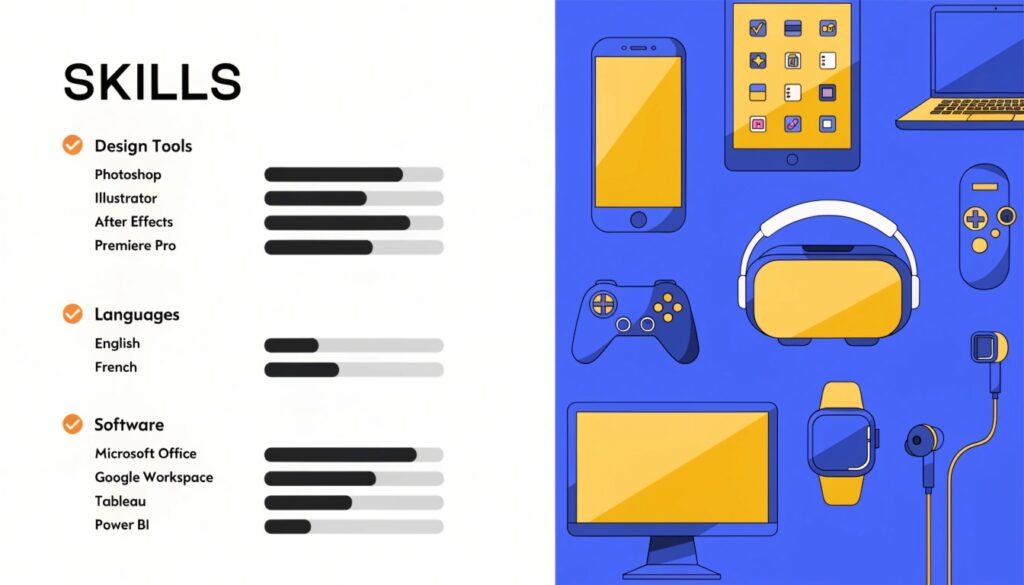
This is where most job seekers get stuck. On a resume:
- Technical skills = specific abilities you’ve learned, like Excel formulas, coding languages, or equipment repair.
- Technological skills = broader comfort with using or adapting to new technology and digital tools.
Most resumes should use “technical skills” because employers usually want to know what you can do, not just that you’re aware of technology.
Step-by-Step Guide: How to Choose the Right Word
- Ask yourself: Am I describing a skill or method? If yes, use technical.
- Ask yourself: Am I describing technology itself? If yes, use technological.
- Try a substitution test. Replace the word with “skill-related” or “tech-related.” Whichever fits better tells you the right word.
- Check the noun it’s attached to. Skills, support, writing, and training usually pair with technical. Advancement, innovation, and change usually pair with technological.
- Read the sentence aloud. If it sounds like it’s about a person’s expertise, go with technical. If it sounds like it’s about tools or progress, go with technological.
Common Problems or Mistakes
Mistake 1: Using “technological skills” on a resume. Fix: Use “technical skills” instead, unless you’re specifically describing your ability to adapt to new tools.
Mistake 2: Saying “technological support.” Fix: The correct phrase is “technical support,” since it refers to help with a specific issue, not technology in general.
Mistake 3: Assuming the words are interchangeable everywhere. Fix: They overlap in meaning but not in usage. Always check which one fits the context — skill vs. technology.
Mistake 4: Overusing “technological” to sound impressive. Fix: Simpler, accurate wording is always better than a longer word that doesn’t fit.
Helpful Tips
- When writing a resume or cover letter, default to “technical skills” unless you’re discussing industry-wide tech trends.
- In academic or business writing, use “technological” when talking about the impact of technology on society or industry.
- If you’re unsure, replace the word with “skill” or “tech” and see which one makes more sense.
- Read your sentence out loud — usage often becomes obvious once you hear it.
- Keep a short list of common technical vs. technological phrases handy while writing job applications.
Frequently Asked Questions
Q1. Is “technical” and “technological” the same thing?
No. “Technical” refers to specialized skills or knowledge, while “technological” refers to technology itself.
Q2. What’s the difference between technical skills and technological skills?
Technical skills are specific, learnable abilities (like coding or repairing equipment). Technological skills usually refer to general comfort with using new technology.
Q3. Which word should I use on my resume?
Use “technical skills” in almost all cases, since employers want to know your specific abilities.
Q4. Is it “technological advancement” or “technical advancement”?
“Technological advancement” is correct, since it refers to progress in technology, not a specific skill.
Q5. What is a technical degree vs a technological degree?
A technical degree usually focuses on hands-on skills for a specific trade or field. A technological degree often focuses on the study of technology and its applications more broadly.
Q6. Can these words be used interchangeably?
Sometimes they overlap, but using the wrong one can confuse readers or sound incorrect in professional writing.
Q7. What’s an example of something technological but not technical?
A new smartphone feature is technological because it relates to technology, but using that feature well requires technical skill.
Conclusion
Understanding technical vs technological comes down to one simple rule: technical is about skills and know-how, while technological is about technology and progress. Once you remember this distinction, choosing the right word becomes second nature — whether you’re writing a resume, a report, or everyday communication.
If you’re working on your resume right now, start by reviewing your technical skills list and make sure it clearly reflects what you can actually do. That small wording choice can make a big difference in how professional and precise your writing sounds.
Author:
M. Ahmad is an SEO and GEO Specialist and the Founder of Careerzon.org, a platform dedicated to career development and professional growth. He helps readers navigate job searching, resume building, career planning, and skill development through clear, practical, and easy-to-follow guidance. Combining his SEO and GEO expertise with a focus on career content, M. Ahmad ensures Careerzon.org delivers helpful, people-first advice that’s easy to find and easy to understand — whether you’re searching on Google or asking an AI assistant.
Also Read
Why Is My Phone in SOS Mode on Verizon? (Fixed)
Regular Show: Skips vs Technology Explained Simply
Honda Hybrid vs Toyota Hybrid Technology: Key Differences